Friday, September 21, 2012

Its Harvest Time For Farmers & We Sell Tractor Tires - Visit Our Website @ http://eitire.com To Learn More


Click here to view full image.


7.5/22
Tire Size    7.50-22
Load Index    4
Rim Width    4.50
Static Load Radius    18.2
Tread Depth    28
Ply    4
Tire Weight    46
Flat Plate    61
Max Tire Load    1360 @ 20
Overall Width    7.9
Overall Diameter    39.4


For More Information Please contact:

(563) 388-0440

Don't Forget To Visit Our Website:


http://eitire.com

Thursday, September 13, 2012

Farmers.....Its Harvest Season Again & We Have Great Deals on Tractor Tire's For Your Harvester- Visit Our Website @ http://eitire.com To Learn more

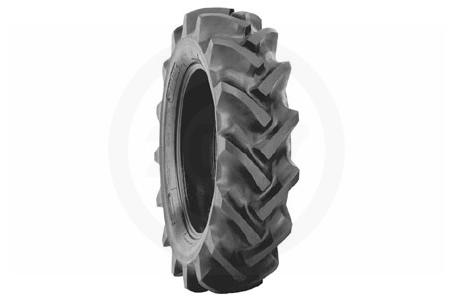
Firestone Farm Service Lug - H - R-1 Tire


Click here to view full image.


9.5/20
Tire Size    9.5-20
Rim Width    7.00
Static Load Radius    17.3
Ply    6
Tire Weight    50
Max Tire Load    1870 @ 32
Overall Width    9.4
Overall Diameter    36.9


For More Information Please Contact:

Headquarters: Davenport, IA 52806
Phone: (563) 388-0440
Fax (563) 388-0042

Don't Forget To Visit Our Website:

http://eitire.com
Tuesday, August 7, 2012

Going Mudding? These Tires Were Designed Specifically For Muddy Terrain - Time To Upgrade Your Offroad Experience - Visit Our Website @ To Learn more

Firestone Destination M/T Tire


Click here to view full image.


The Destination M/T is the first Firestone light truck tire with exclusive UNI-T technology to advance wet handling and braking. Plus, you get a whole package of advantages from DMR Max Traction Light Truck Tire Technologies, exclusively from Firestone. With deep skid lugs, 3 body ply construction, over-the-shoulder tread/lug design and our special Rim Gaurd Off-Road Protector Rib, the Destination M/T is as tough and durable as it looks. Since it's pinned for studs, the Destination M/T is also ready to deliver extra grip in winter conditions. All these features add up to a light truck tire that has what it takes for off-road, all-terrain, all-season performance.

CO-CS (Computer Optimized Component System) Maximizes tire performance by optimizing the appropriate combination of tread design, casing shape, materials, and construction.
O-BEAD Improves uniformity and ride comfort through use of a single continuous strand of cable in the bead construction
LL CARBON (LONG LINK) Helps improve tread wear and resist cracking, chipping and tearing through the use of a special long length carbon structure
RIM GUARD Protects wheels from curb damage through raised rubber ridge
DURA-LOC Provides outstanding resistance to on- and off- highway hazards using 3 polyester body plies and a high-strength tie-in construction.
Mud and Off-Road Traction The result of a unique over-the-shoulder tread/lug design that increases Extraction Traction to help get you through ruts and mud combined with low 23' Attack Angle to increase pulling power. Wide wraparound lugs and special tread element shapes and angles help deflect road hazards from the shoulder areas as well as improve self-cleaning in mud and snow conditions.
Pinned for studs. For extra grip in winter conditions.


For More Information Please Contact:

Headquarters: Davenport, IA 52806
Phone: (563) 388-0440
Fax (563) 388-0042


Don't Forget To Visit Our Website:

http://eitire.com

Tuesday, July 24, 2012

Going Off Road? Live In The Country? These Tires Were Meant For You - Get Ready To Adapt To An Easier Life.

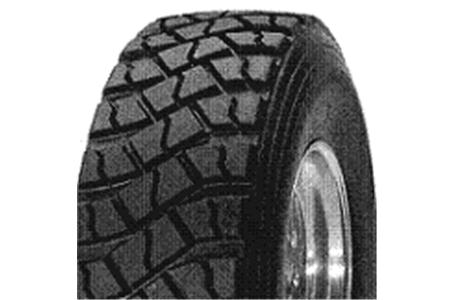
Bandag WBSS


Click here to view full image.


445/65R22.5

Off Road, On/Off Road, Special Services

Tires utilized in this application are 70–90% off the road and 10–30% on the highway. They are used in extreme off-road conditions which require special compounding to resist chipping, chunking and possible tearing of the tread. Vehicle types are mixed based on service conditions. 4/32" deeper tread depth plus metric sizing (for a better casing fit).


For More Information please Contact:

(563) 388-0440

Don't Forget To Visit Our Website:


http://eitire.com
Thursday, March 22, 2012

Tire Basics....


Tire Size Markings:


The tire size shown below is P185/60R14 82H. The P represents the car type, Passenger. The 185 represents its section width (tire width in mm). The 60 is the tires Aspect Ratio (the ratio of the sidewall height to the tread width). The R represents radial tire construction. The14 represents the rim/wheel size and 82H represents the load index and speed symbol.


Speed Ratings:


Speed ratings are determined by indoor laboratory testing methods which measure high speed tire durability under controlled test conditions. These test procedures do not take into account under inflation, tire damage, vehicle characteristics, or road conditions which can lead to sudden tire failure or loss of vehicle control at much lower speeds than indicated by the tire's speed rating. The validity of using speed rated tires in the U.S. is based on the idea that the tire's top speed capability must at least equal the vehicle's top speed capability, since it cannot be assumed that the driver will always observe the speed limit. Recently the speed rating is being referred to as the "performance rating" of the tire, since the higher speed rated tires generally offer improved handling and maneuverability compared to lower speed rated tires.


Speed Ratings


Load Index:


Load index indicates the maximum load capacity each tire is designed to support. Like speed ratings, assume near perfect operating conditions to obtain the ratings listed in the table below.


Uniform Tire Quality Grading (UTQG):


Under UTQG, tires are graded by the manufacturers in three areas; tread wear, traction and temperature resistance.
  • Tread wear
    The tread wear grade is a comparative rating based on the wear rate of the tire when tested under controlled conditions on a specified government test course. For example, a tire graded 150 would wear 1.5 times as well on the government course as a tire graded 100. The relative performance of tires depends upon the actual conditions of their use, and may depart significantly from the norm due to variations in driving habits, vehicle condition, road characteristics, and climate.
  • Traction
    The traction grades from highest to lowest are AA, A, B and C. They represent a tire's ability to stop on wet pavement as measured under controlled conditions on specified government test surfaces of asphalt and concrete. A tire marked "C" may have poor traction performance.
  • Temperature
    The temperature grades are also A, B and C, representing the tire's resistance to heat generation and its ability to dissipate heat when tested under controlled conditions on a specified indoor laboratory test wheel. Sustained high temperature can cause the material of the tire to degenerate and reduce tire life; excessive temperature can lead to sudden tire failure. The grade C corresponds to a level of performance which all passenger tires must meet under Federal safety laws.
Wheel Basics:
  • Wheel Width
    Distance between inside of flanges rounded to nearest 1/2-inch. Ensure that wheel width is proper for tire size you intend to mount on it. All tire sizes have minimum and maximum wheel width limits. Correct wheel width is about 75% of tire cross section width.
  • Wheel Diameter
    Distance from bead seat to bead seat across diameter of wheel. Must be exactly the same as tire rim diameter. Mounting a tire of one diameter on a wheel of another diameter can result in violent explosion causing serious injury or even death. Always verify diameter stamped on the wheel and match the tire exactly.
  • Wheel Offset
    Distance between wheel mounting surface where bolted to hub of drum and centerline of rim. Determines vehicle "track" or distance between tires on each axle. Wheels with more negative offset than original wheels move outboard on car. Keep the wheel offsets as close to original as possible to avoid steering difficulties or wheel bearing fatigues. Negative offset on rear increases "track" and may improve stability and handling.
Ply Rating/Load Range:
While there is no industry-wide definition of ply rating, truck tires are frequently marked with ply rating and equivalent Load Range. These markings are used to identify the load and inflation limits of that particular tire, when used in a specific type of service. The table shows the conversion of tire markings.